What Is An Interment?
Interment is the formal process of placing human remains into their final resting place. This can happen after burial or cremation and is typically conducted according to legal requirements, cultural traditions, and religious practices.
Interment marks the official conclusion of funeral rites and is often accompanied by a graveside or committal service.
What’s the Difference Between Disinterments and Interments?
The difference between disinterments and interments comes down to direction and whether remains are being placed into the ground or taken out.
In general, an interment is the act of burying human remains. It includes placing a casket or urn into the ground, a mausoleum, or a columbarium. In short, an interment is a burial.
Then we come to a disinterment, which is the act of removing human remains after they’ve been interred. This might be done to relocate remains, conduct an investigation, or for reburial elsewhere. In short, a disinterment is an exhumation.
An easy way to remember the differences is that “inter” is putting the remains “in” place. Where as “disinter” is undoing the interment and taking the remains out.
Please contact us today to learn about interment options at Mount Pleasant Cemetery.

Types of Interment
Ground Burial (In-Ground Interment)
The most traditional form of interment. A casket or burial container is placed in a grave, often within a cemetery plot. Some cemeteries require a burial vault or grave liner to prevent ground settling.
Mausoleum or Crypt Interment
The remains are placed in an above-ground structure, such as a mausoleum or crypt. This is common in certain cultures and climates and can be either private (family mausoleum) or public.
Green or Natural Interment
An environmentally friendly option using biodegradable caskets or shrouds, with no vaults or embalming. The grave site is allowed to return naturally to the landscape.
Cremation Interment
After cremation, ashes (also called cremated remains) may be:
- Buried in an urn grave.
- Placed in a columbarium niche.
- Scattered in a permitted location (note: scattering is not considered interment unless the remains are placed in a permanent location).

The Interment Process
A typical interment involves the following aspects:
- Legal authorization (death certificate and burial permit)
- Preparation of the burial site or niche
- Transportation of remains
- A committal or graveside service (optional)
- Placement of remains into the final resting place
- Closure and marking of the site
Why Interment Matters
An interment matter because it provides:
- A permanent, documented resting place
- Closure for family and loved ones
- A location for remembrance and memorialization
- Compliance with legal and religious obligations
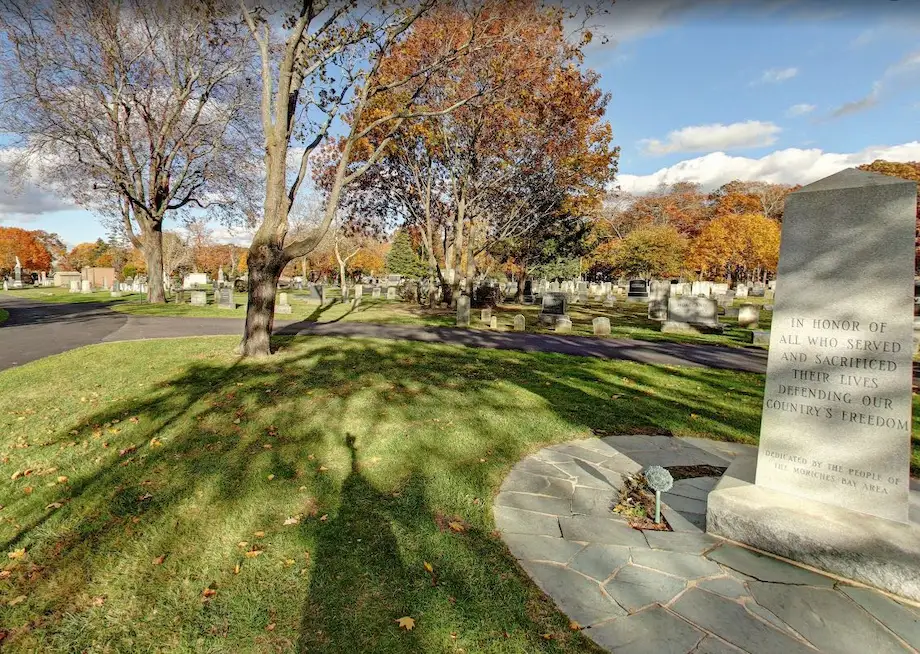
General Information About Interments
Legal and Administrative Aspects
Interments are regulated by local and state laws and cemetery policies. Common requirements include:
- Burial permits or interment authorizations.
- Cemetery ownership or right-of-interment documentation.
- Compliance with health and zoning regulations.
Once completed, the interment is recorded in cemetery records for future reference.
Interment vs. Burial vs. Committal
- Burial: The physical act of placing remains in the ground (often used interchangeably with interment, though less formal).
- Interment: The official, legal placement of remains in a permanent location.
- Committal: The ceremonial or religious service associated with interment.
Religious and Cultural Significance
Interment practices vary widely:
- Christian traditions often include a graveside committal service.
- Jewish burial emphasizes prompt interment and simplicity.
- Islamic burial typically requires interment within 24 hours and specific grave orientation.
- Cremation traditions may involve urn placement or memorial ceremonies.
These practices influence timing, location, and the form of interment.